2026-10-22 ·
Assessing Spray Foam in Older Cheltenham Houses
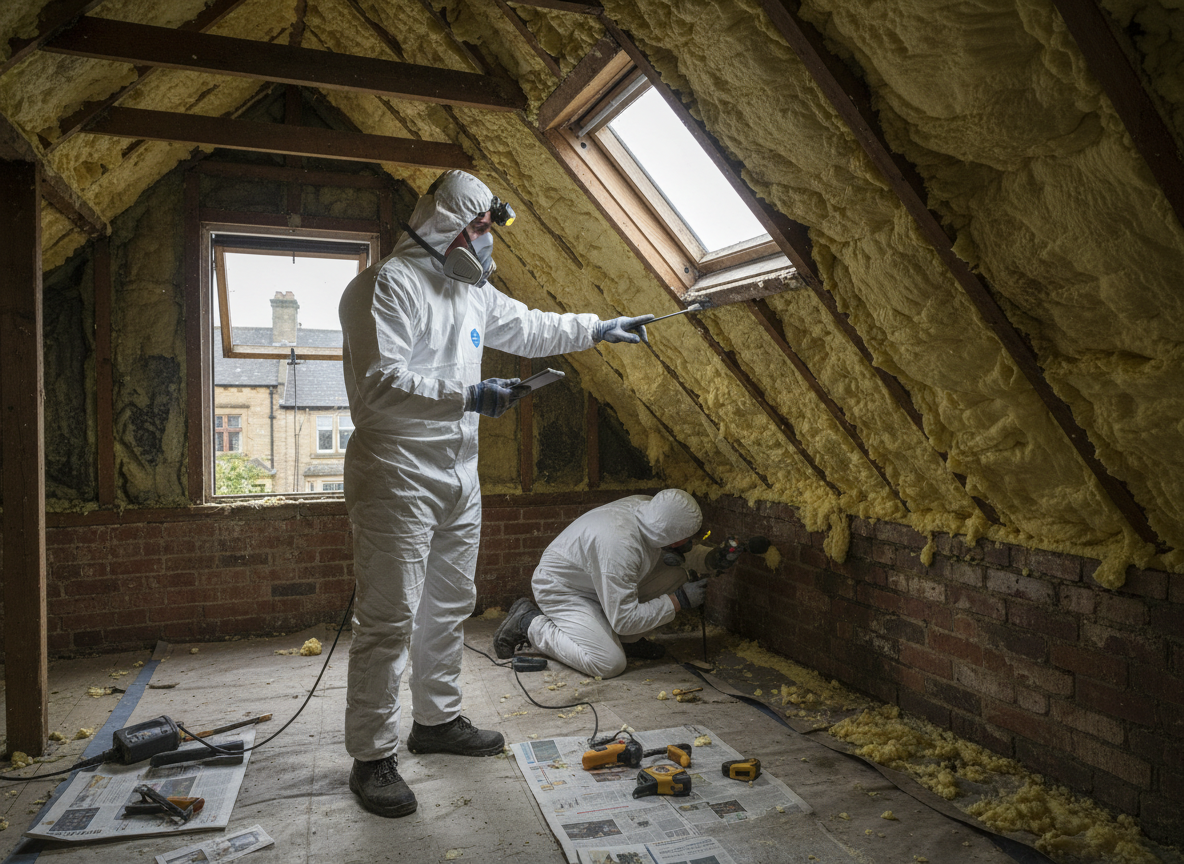
Assessing spray foam in older Cheltenham houses starts with a thorough inspection for trapped moisture, timber decay and reduced ventilation that frequently affect pre-1940s stone and brick properties across the town and nearby areas such as Gloucester and Tewkesbury.
Common Spray Foam Problems in Cheltenham's Period Homes
Cheltenham contains many Victorian and Edwardian terraces built with solid stone walls and timber floors that were never designed for modern insulation. When spray foam was added to lofts or behind plaster, it often sealed in damp from the area's frequent rainfall and poor original drainage. Homeowners in central Cheltenham and surrounding villages report recurring issues where foam meets external walls, leading to hidden rot in joists and floorboards. These problems show up most clearly during winter when indoor heating drives moisture toward colder external surfaces. Assessment must focus on the interface between foam and original masonry because Cheltenham's clay soils retain water longer than sandy ground found further east toward Oxford. Early detection prevents small damp patches from turning into larger repairs that affect load-bearing timbers.
Step-by-Step Assessment Process
Begin by examining accessible loft spaces for visible foam coverage and any signs of condensation on roof timbers. Use a moisture meter on multiple points along wall plates and ceiling joists to record readings above 18 percent, which indicates trapped water. Next, remove small test sections of foam in inconspicuous areas to inspect the underlying brick or stone for efflorescence and timber for softening. Document ventilation paths that the foam may have blocked, especially around eaves and ridge vents common in Cheltenham's pitched roofs. Check for musty odors or staining on internal plaster that signals ongoing moisture movement. Record all findings with photos and measurements so comparisons can be made after any remedial work. This methodical approach reveals whether the foam installation has compromised the building's ability to breathe, a frequent concern in Gloucestershire's older housing stock.
Local Factors Affecting Assessment in Gloucestershire
Cheltenham's location in the Severn Vale exposes properties to higher humidity levels than higher ground near Cirencester or Stroud. Older houses here often sit on clay subsoil that slows water dispersal, increasing the chance that spray foam will trap rising damp from ground level. Seasonal temperature swings between cold winters and mild summers create repeated condensation cycles inside roof voids. Properties near the River Chelt or in lower-lying parts of Tewkesbury face additional flood-related moisture that foam can lock in place. Assessment therefore includes checking external ground levels against damp-proof courses and noting any recent landscaping changes that direct water toward walls. These local conditions mean inspectors must allow extra time to test multiple elevations and account for how Cheltenham's microclimate accelerates timber degradation compared with drier inland counties.
Health and Structural Risks to Evaluate
Trapped moisture behind spray foam can promote mould growth that affects indoor air quality in tightly sealed older homes. Structural risks include weakened floor joists and roof timbers where prolonged damp has caused decay, particularly in houses converted from single dwellings into flats. In Cheltenham, many period properties still rely on original lime mortar that becomes damaged when foam prevents natural drying. Assessment should note any sagging ceilings or uneven floors that suggest load-bearing issues developing behind insulated surfaces. Residents sometimes report increased allergy symptoms once foam has been present for several years, pointing to hidden microbial activity. Evaluating these risks requires looking beyond the foam itself to the overall performance of the building envelope and how it interacts with Gloucestershire's wet winters.
Next Steps for Homeowners in Cheltenham
After completing an assessment, homeowners can review findings against guidance in the article on winter moisture risks from spray foam in Cheltenham properties to understand seasonal patterns. Properties showing widespread timber damage often benefit from an insulation assessment that maps every affected area before removal planning begins. Cost considerations are detailed in the post on what influences spray foam removal costs in Gloucestershire, helping owners budget for work in older stock. When mortgage lenders require clearance, specialist services such as mortgage lender spray foam removal provide targeted solutions. For complex loft or roof installations, techniques like dry ice blasting spray foam removal minimise damage to original features. Contact details for 24/7 service from the base at Runnings Rd, Cheltenham GL51 9NQ allow prompt follow-up when urgent issues are identified.